The Movie Star
You know the one. Man-sized, scaly, door-opening, sneering in the kitchen like it had a grudge against a family of children. Steven Spielberg looked at a two-metre feathered turkey with a sickle claw and decided that wasn't scary enough, so he borrowed the size and swagger of a completely different animal, Deinonychus, slapped the cooler name on it, and called it a day.
It worked. Thirty-plus years later, people still picture a velociraptor as something that could reach a doorknob. It could not reach a doorknob. It could, generously, reach your shin.
The Actual Animal (Sorry)
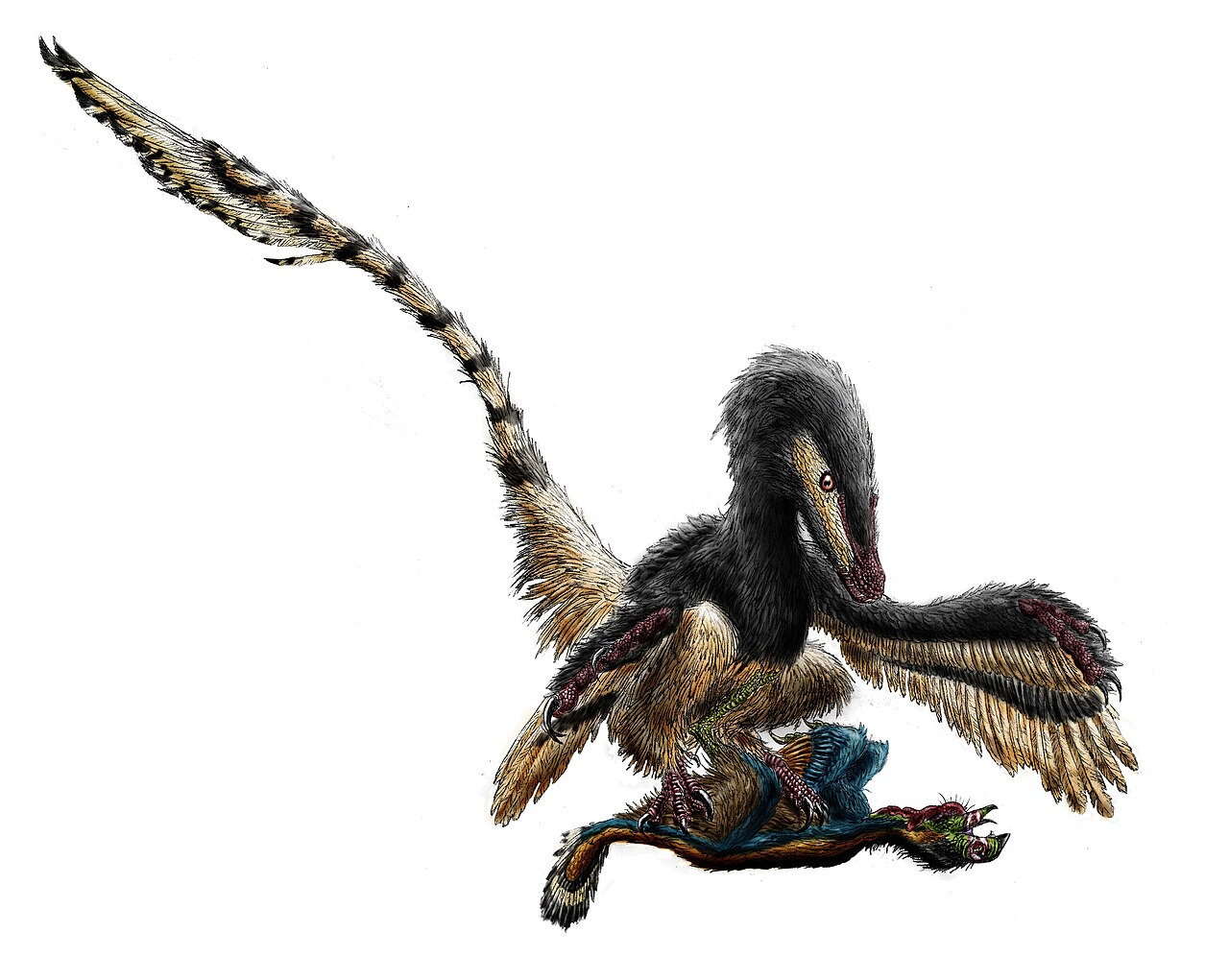
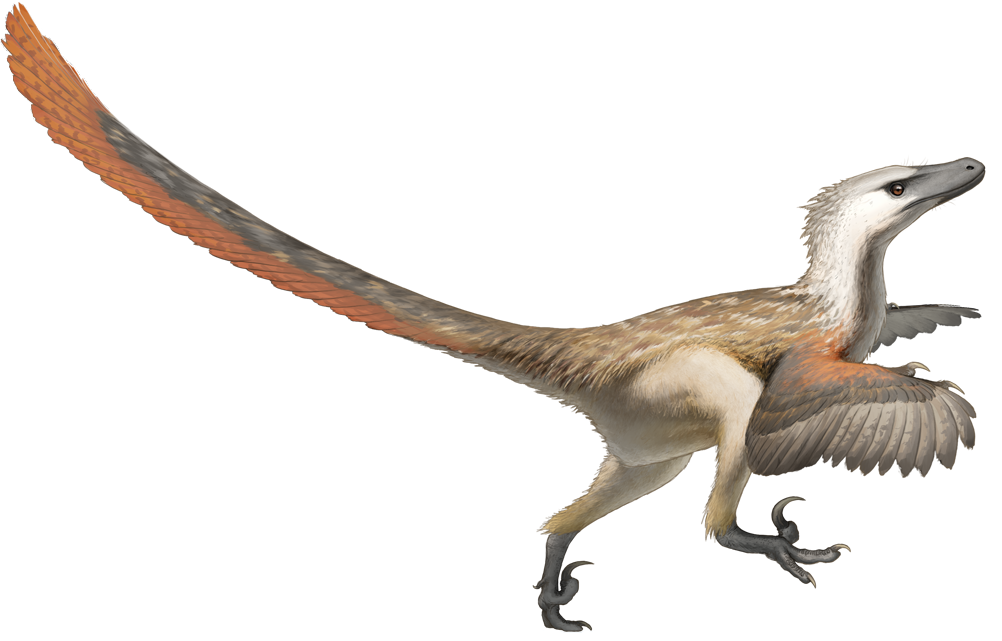
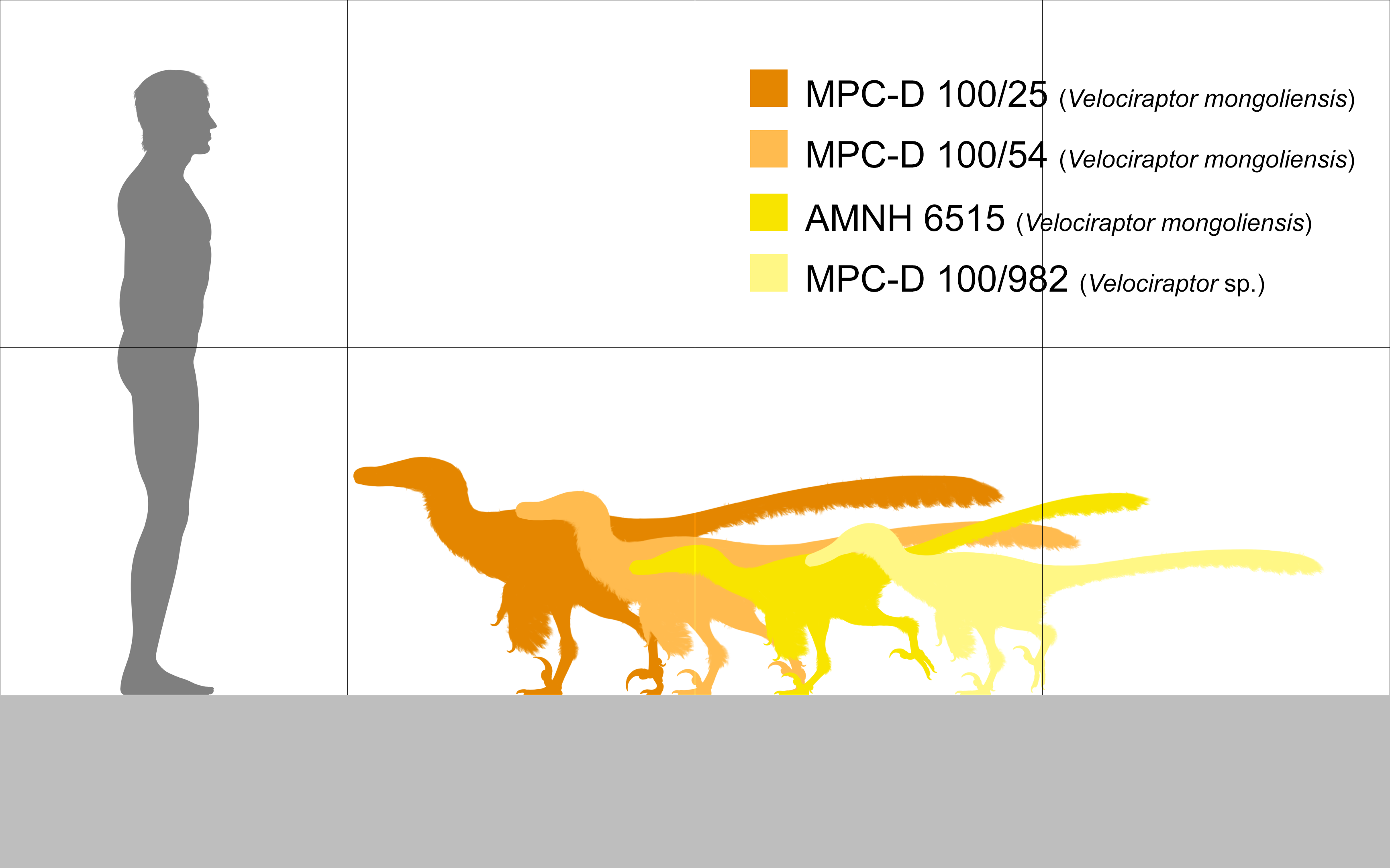
Real Velociraptor mongoliensis: about 2 metres nose-to-tail, roughly 15 kilograms, and standing about as tall as your knee. That's turkey-with-a-God-complex sized, not linebacker sized. In 2007, paleontologists found quill knobs on a forearm fossil — anchor points for real feathers — which means the terrifying apex predator of your nightmares was, biologically speaking, a large angry chicken.
The famous sickle claw on the second toe? Recent biomechanics research suggests it was probably used to pin down prey like a grappling hook, not slash it open like a switchblade. Less "surgical velocity killer," more "overenthusiastic hawk with anger issues."
Extremely Dead Since ~71 Million Years Ago
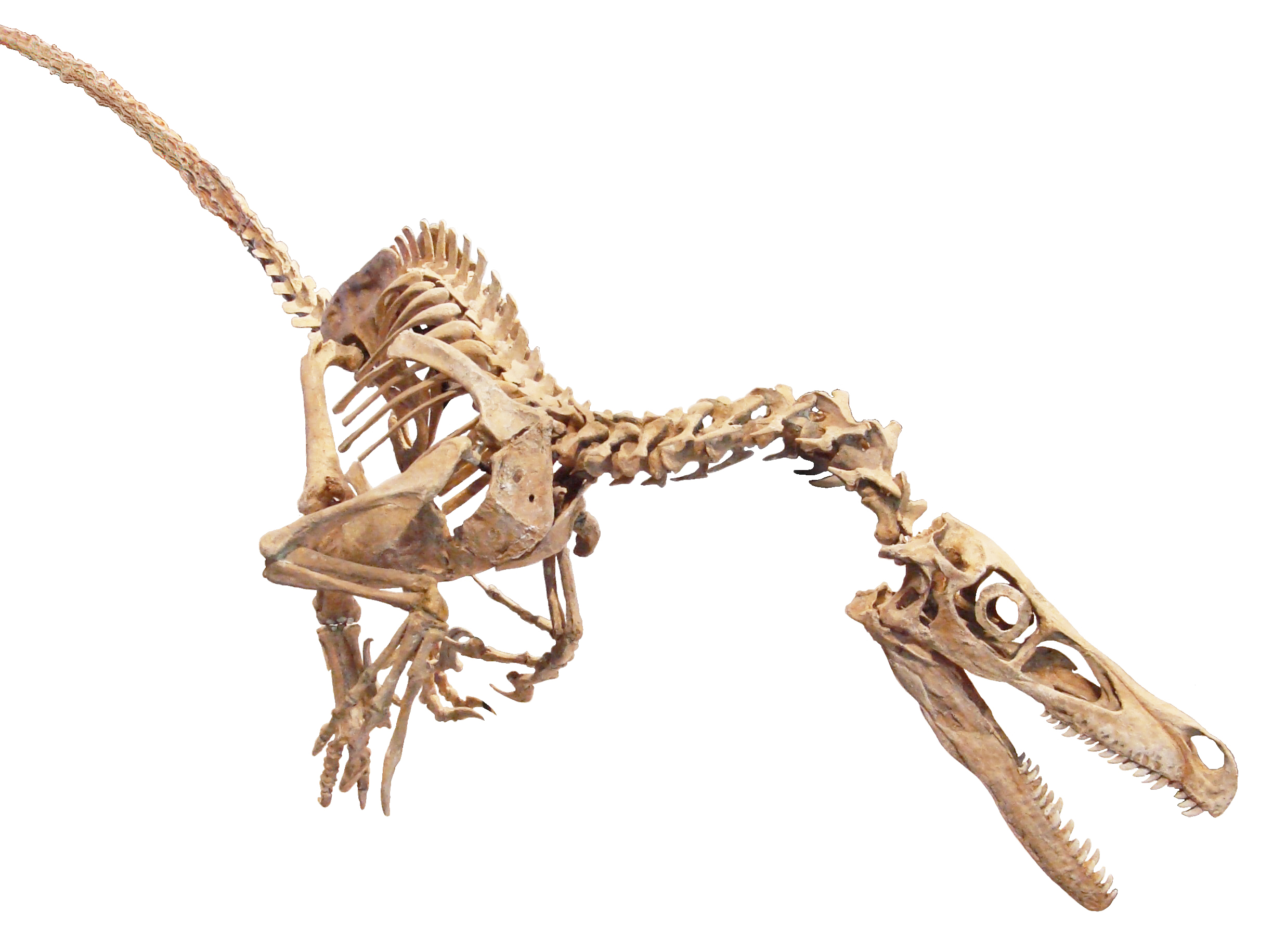
Velociraptor lived in the Gobi Desert during the Late Cretaceous, which at the time was less "misty jungle" and more "sand dunes and the occasional deadly sandstorm" — considerably less cinematic than a rainforest in Costa Rica.
The single greatest velociraptor fossil ever found is the "Fighting Dinosaurs" specimen, unearthed in Mongolia in 1971: a velociraptor and a Protoceratops, locked in mortal combat, both killed instantly and preserved mid-fight — almost certainly buried alive by a collapsing sand dune. It is, unfortunately, cooler than anything in the movies, and it required zero CGI.